
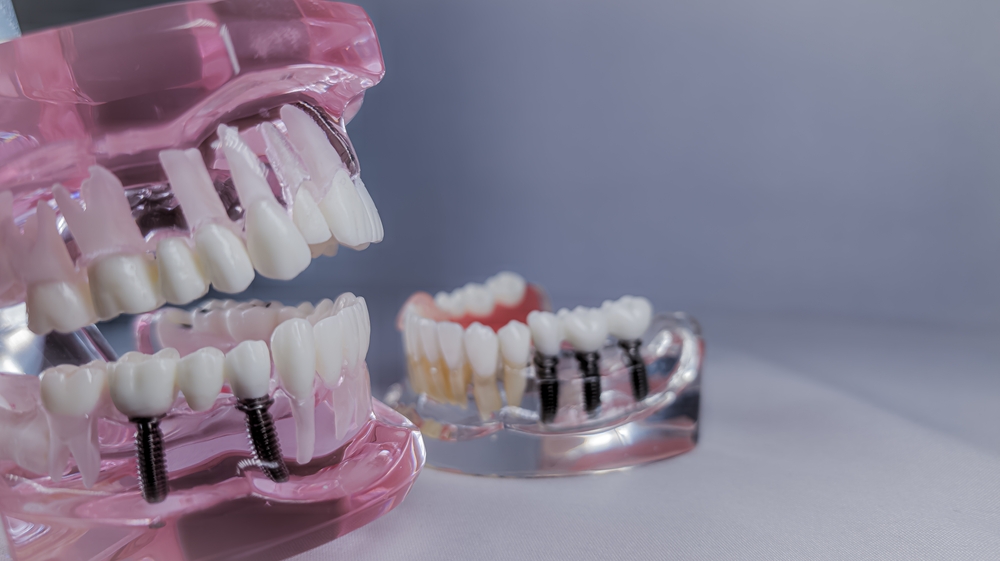
Many people ask whether “drilled in teeth” are the same as dental implants. By “drilled in teeth” people often mean a tooth that was drilled to fit a crown, a post placed after a root canal, or a temporary anchor. That informal phrase causes confusion because both processes involve drilling, but they are very different treatments. This post compares what people call “drilled in teeth” with true dental implants so you can decide which option fits your needs.
What people mean by “drilled in teeth”
“Drilled in teeth” is not a clinical term. It usually refers to work done on a natural tooth: removing decay, shaping a tooth for a crown, placing a post inside a root canal-treated tooth, or adding pins/anchors for restoration. It can also mean prepping a tooth for a bridge. The phrase covers several procedures that keep the original root and tooth structure.
What a dental implant really is
A dental implant is an artificial tooth root made of titanium or ceramic that is placed into the jawbone. After surgery the implant fuses with bone through osseointegration, creating a stable foundation for a crown, bridge, or denture. Implants replace the missing root as well as the visible tooth, which is why they function differently than restorations on natural teeth.
Key differences: drilled in teeth vs dental implants
Procedure and what is removed or placed
When a natural tooth is drilled, the dentist reshapes or removes part of the tooth to remove decay or fit a crown. The root stays in place. Implant placement requires extracting the tooth if needed and drilling into bone to place the implant fixture.
Structure and longevity
A restored natural tooth relies on the remaining tooth and root. Crowns and posts can last many years but are vulnerable to decay, fracture, and failed root canals. Implants resist decay and, with good care, can last decades. However, implants require healthy bone and good hygiene to avoid peri-implantitis.
Impact on surrounding bone and teeth
Keeping a tooth preserves the natural root and stimulates bone. But a failing tooth can damage bone and adjacent teeth. An implant replaces the lost root and helps preserve bone height over time, while bridges that use neighboring teeth require drilling healthy teeth to support the prosthesis.
Risks, recovery, and typical timelines
Drilled restorations often heal quickly; sensitivity and short-term discomfort are common. Root canals and posts add healing time but usually minimal recovery. Implants require surgical healing—often several months for osseointegration—and sometimes bone grafts or sinus lifts, which lengthen the timeline. Complications can include infection, sensitivity, implant failure, or need for retreatment.
Who is a candidate for each option?
If the natural tooth is salvageable, healthy, and restorable, a drilled restoration may be best. If the tooth is badly decayed, fractured, or previously failed, extraction and an implant may be recommended. Bone quality, overall health, age, and patient goals matter when choosing.
Cost and insurance considerations
Crowns and root canal treatments generally cost less than implants. Dental implants are more expensive upfront and often need additional procedures like grafts. Many dental plans cover part of crowns or root canals but limit implant coverage; financing may be needed for implants.
How to decide: questions to ask your dentist
Ask: Do I need an extraction or can the tooth be saved? Will an implant better preserve bone? What are the success rates and timelines? Will I need CBCT 3D imaging? What are all costs and alternatives? Get clear answers and a written plan.
About Dr. Anna Dao and Zenith Dental & Implant Center
Dr. Anna Dao at Zenith Dental & Implant Center focuses on implant and restorative dentistry with advanced diagnostics like CBCT, digital scans, and 3D printing. The practice offers full-mouth care and personalized planning for complex implant cases, delivered in a concierge-style environment.
If you’re unsure whether a drilled restoration or a dental implant is right for you, schedule an exam and 3D imaging to evaluate bone and tooth health. Discuss options with your dentist and explore financing if needed. If you’ve heard the term “drilled in teeth” and want clarity for care near Davenport, Florida, a consult with an implant-trained clinician can help you choose the best path.