
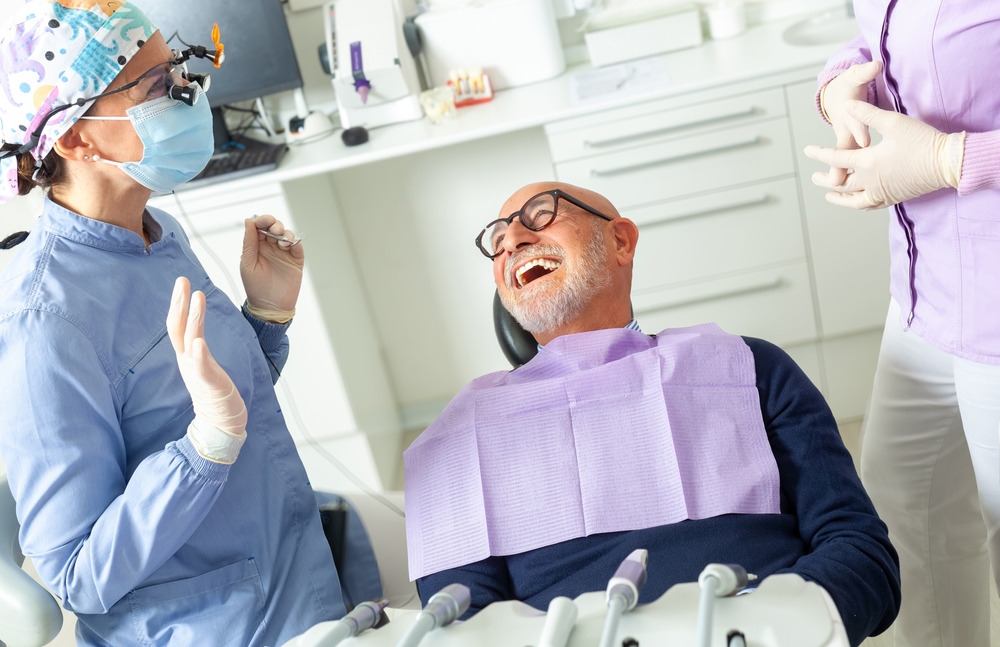
Clear instructions matter after a tooth is removed. For patients in Davenport, Florida, postsurgical instructions following tooth extraction include which statements — and this post lists the key statements patients should know for the first 24–72 hours and the first week. Follow these steps to protect the clot, reduce pain and swelling, and avoid common problems that can delay healing.
Immediate steps after extraction (first 24 hours)
Control bleeding
After the extraction, bite gently but firmly on the gauze pad the office gives you. Keep steady pressure for 30–60 minutes and change the gauze only when it becomes soaked. Some oozing is normal for 24 hours. If bleeding is heavy (soaking more than one pad per hour), call your dentist or go to urgent care.
Rest and head positioning
Rest for the first day and avoid bending or heavy lifting. Keep your head elevated with pillows when lying down—this helps reduce bleeding and swelling. Light activity is fine after 24 hours, but give your body time to start healing.
What to avoid in the first 24 hours
Do not spit, rinse vigorously, smoke, use straws, or suck on candy. These actions can dislodge the blood clot and cause a painful dry socket. Also avoid alcohol and driving if you took strong pain medication.
Pain and swelling management
Medications
Take prescribed pain medicine exactly as directed. Over-the-counter NSAIDs like ibuprofen work well for most people; follow the dose on the label and do not mix with alcohol. If given antibiotics, finish the full course as prescribed to prevent infection.
Cold and heat therapy
Apply ice packs to your cheek for 15 minutes on, 15 minutes off during the first 24–48 hours to limit swelling. After 48 hours, switch to warm compresses to improve circulation and ease stiffness.
Oral hygiene and rinsing
Brushing and flossing near the extraction site
Keep your mouth clean but be gentle. Brush teeth away from the extraction site for the first day. After 24 hours you can carefully brush nearby teeth, but do not disturb the socket or stitches.
Saltwater rinses and antiseptic rinses
Begin gentle saltwater rinses 24 hours after surgery: 1/2 teaspoon salt in 8 ounces of warm water, rinse softly 3–4 times a day for the first week. Use antiseptic rinses only if your dentist recommends them.
Diet and activity for the first week
Recommended foods
Eat soft, cool foods like yogurt, applesauce, smoothies, mashed potatoes, and soup (not piping hot). Include protein and vitamin-rich foods to support healing. Stay hydrated with water and non-alcoholic drinks.
Foods and actions to avoid
Avoid crunchy, spicy, or hard foods, nuts, seeds, and hot beverages that can irritate the site. Skip alcohol and vigorous exercise for several days to prevent increased bleeding or swelling.
Signs of complications and when to call
Dry socket
Dry socket usually appears 3–5 days after extraction with severe, throbbing pain and bad breath or a foul taste. If the pain worsens after a few days and home care does not help, contact your dentist right away for treatment.
Infection, persistent bleeding, numbness, or fever
Call immediately if you have increasing swelling, fever, persistent heavy bleeding, pus, or numbness that won’t go away. These signs may need urgent care or antibiotics.
Follow-up care and future treatment planning
When to schedule your follow-up visit
Most offices ask to see you within 7–14 days to check healing and remove sutures if needed. Keep this appointment so your dentist can confirm the site is closing properly.
Planning for implants or other restorative work
If you are planning implants or bridges, healing time matters. Your dentist will explain when bone has healed enough for the next steps, often several weeks to months depending on the case.
Concierge-level aftercare at a trusted practice
Zenith Dental & Implant Center and Dr. Anna Dao provide personalized post-op support, advanced imaging like CBCT for precise planning, and clear follow-up instructions for single implants or full-mouth care. Their team can help guide recovery and next-step treatment. If you have questions about your recovery or need to schedule follow-up care, contact the office to speak with the team.