
This post answers what are full mouth dental implants, who benefits from them, and what to expect from the procedure, recovery, risks, and alternatives. If you’re missing most or all teeth, this guide explains options, timelines, and common questions. You’ll learn how full-arch systems work, who’s a good candidate, typical recovery, costs, and alternative solutions so you can make an informed choice.
What Are Full Mouth Dental Implants?
Full mouth dental implants replace an entire upper or lower arch — or both — of teeth using dental implants as anchors. Unlike a single implant that replaces one tooth, full-mouth solutions restore function for many missing teeth. Common systems include All-on-X (All‑on‑4, All‑on‑6) fixed arches and implant-supported bridges that deliver a strong, natural-feeling bite.
Types of Full Mouth Implant Solutions
All‑on‑4 / All‑on‑X full‑arch systems
All‑on‑4 uses four strategically angled implants to support a full fixed arch. Angled placement avoids bone grafts in many patients and lets clinicians attach a stable, non-removable prosthesis quickly. All‑on‑X refers to similar concepts using more implants when needed.
Implant‑supported bridge
An implant-supported bridge uses several implants to hold a multi-tooth bridge. This is chosen when you have enough bone for multiple implants and want a fixed, tooth-like result without replacing each tooth individually.
Snap‑on overdentures
Snap-on overdentures are removable prostheses that clip onto implants. They add stability over traditional dentures and can be taken out for cleaning, offering a lower-cost, less invasive option.
Who Is a Good Candidate?
Good candidates are in overall sound health, have controlled chronic conditions, and maintain basic gum health. Adequate jawbone volume matters; CBCT 3D imaging helps assess this. Smoking, uncontrolled diabetes, or active gum disease can affect success. Realistic expectations and commitment to oral hygiene are essential.
What to Expect: Step‑by‑Step Treatment Process
Consultation & planning
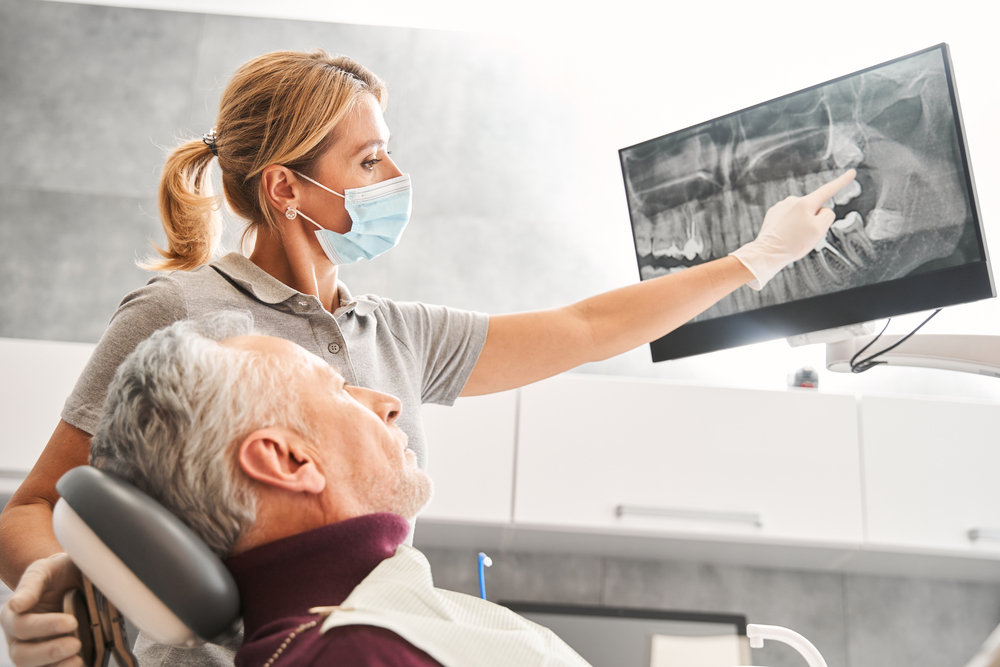
Expect a full exam, 3D imaging (CBCT), and a personalized plan with timeline and cost estimate. Planning identifies if bone grafts or extractions are needed.
Surgery & implant placement
Surgery typically uses local anesthesia with sedation options. Implants are placed into the jaw; temporary teeth are often provided so you leave with function and appearance the same day or soon after.
Final restoration and follow‑up
After healing (often 3–6 months), impressions or digital scans are taken for the final prosthesis. Final fittings ensure comfort, bite, and esthetics. Regular follow-up checks maintain results.
Recovery, Home Care, and Longevity
Initial recovery takes days to weeks; full bone healing is months. Follow a soft diet early, keep the area clean, and avoid smoking. With good care, implants can last decades; prosthetic parts may need replacement over time.
Risks, Complications, and How They Are Managed
Risks include infection, implant failure, and nerve irritation. Early signs like swelling, severe pain, or numbness need prompt care. Modern 3D planning and experienced surgeons reduce these risks significantly.
Cost Factors and Financing Options
Costs vary by number of implants, need for bone grafts, materials, lab work, and provider expertise. Insurance may cover some parts but often not the full cost. Many practices offer payment plans, third-party financing, or phased treatment options.
Alternatives to Full Mouth Dental Implants
Alternatives include traditional dentures, partial dentures, and fixed bridges. These can be lower-cost or quicker solutions but may lack the stability, function, and bone-preservation benefits of implants.
Common FAQs
Q: Does it hurt? A: Surgery uses anesthesia; mild to moderate discomfort is normal afterward and controlled with medication. Q: How long does the process take? A: From planning to final prosthesis typically several months; same-day temporary teeth are often possible. Q: Will insurance cover it? A: Coverage varies; many plans limit implant benefits. Financing is commonly used.
About Dr. Anna Dao and Zenith Dental & Implant Center
Dr. Anna Dao at Zenith Dental & Implant Center in Davenport, Florida, specializes in full-mouth rehabilitation and advanced implant care. The office uses CBCT 3D planning, digital intraoral scanning, and in-house 3D printing so patients can have surgery and final restorations under one roof. The practice emphasizes a concierge, patient-first approach and individualized treatment planning.
Next Steps / Call to Action
If you’re wondering what are full mouth dental implants in Davenport, Florida and whether you’re a candidate, schedule a consultation to get a personalized plan and cost estimate.