
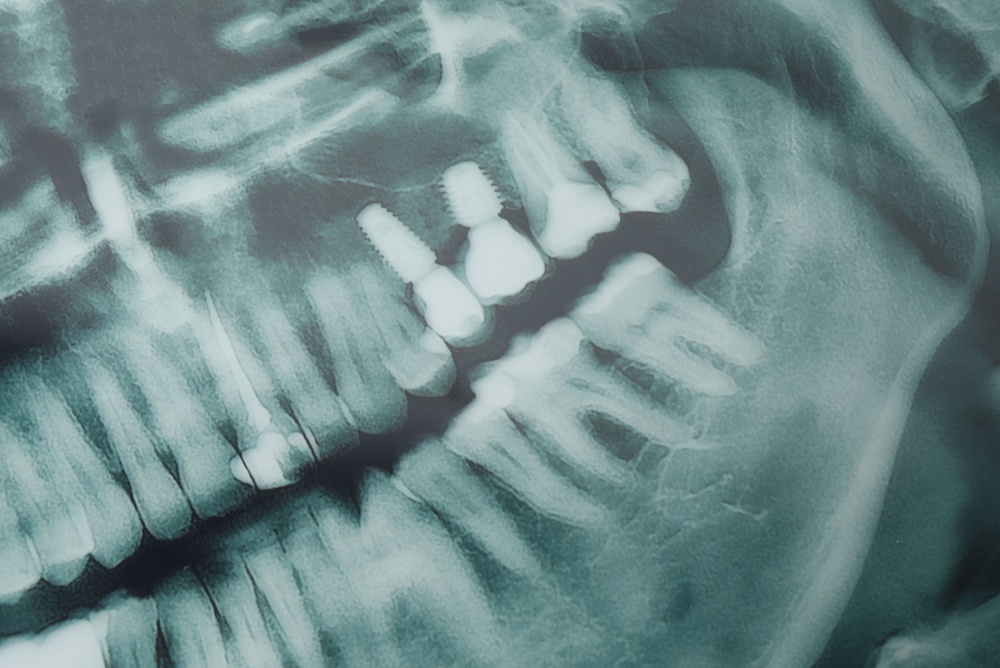
A prosthetic tooth replaces a missing or damaged natural tooth and restores chewing, speech, and the look of your smile. Many prosthetic teeth are made as implant crowns, bridge pontics, or denture teeth, and dental implants often serve as the stable foundation for these restorations. This article explains what a prosthetic tooth is, common types, how implants support them, who makes a good candidate, treatment steps and recovery, risks and care, and how to get started.
What Is A Prosthetic Tooth?
A prosthetic tooth is any manufactured tooth used to replace a lost or broken tooth. That includes single crowns attached to implants, artificial teeth that fill the gap in a bridge, and the teeth set into full or partial dentures. A well-made prosthetic tooth restores chewing function, helps you speak clearly, and matches the look of your natural teeth.
Common Types Of Prosthetic Teeth
Implant-supported crowns (prosthetic tooth on an implant)
An implant-supported prosthetic tooth is a single crown attached to a titanium post placed in the jaw. The post acts like a tooth root, giving strong support and preventing bone loss. These crowns look and feel like natural teeth and are cleaned like your other teeth.
Fixed bridges
A fixed bridge uses a prosthetic tooth (pontic) held in place by crowns on the adjacent teeth. Bridges restore one or more missing teeth when implants aren’t an option or when neighboring teeth already need crowns. They are permanently cemented and feel stable, but they rely on nearby teeth for support.
Removable dentures and overdentures
Removable dentures hold multiple prosthetic teeth in a plastic or metal base. Overdentures snap onto implants for better stability—these are a hybrid option that combines denture teeth with implant support. Snap-on overdentures improve chewing and comfort compared with traditional removable dentures.
How Dental Implants Serve As The Foundation For A Prosthetic Tooth
A dental implant system has three parts: the titanium post placed in bone, the abutment that connects to the post, and the prosthetic tooth (crown) attached to the abutment. Advanced imaging like CBCT and 3D planning help place the post precisely to avoid nerves and maximize bone support. Accurate planning leads to better long-term results.
Who Is A Good Candidate For A Prosthetic Tooth Or Implant?
Good candidates are generally healthy, have healthy gums, and enough jawbone to support an implant. Smoking, uncontrolled diabetes, or active gum disease can raise risks. If bone is low, bone grafting can rebuild volume to support an implant. Your dentist will review medical history, images, and oral health to decide the best plan.
What To Expect During Treatment And Recovery
Typical steps: consultation and imaging, implant placement surgery, a healing phase called osseointegration (often 3–6 months), then placement of the prosthetic tooth and final adjustments. Expect mild discomfort after surgery that can be managed with medication. Routine follow-up visits make sure healing and fit are correct.
Risks, Longevity, And Care For Your Prosthetic Tooth
Risks include infection, implant failure, or damage to nearby teeth or nerves, but careful planning reduces these. Implant-supported prosthetic teeth can last many years; crowns and denture teeth may need replacement sooner. Daily cleaning, flossing around implants, and regular dental checkups keep your prosthetic tooth healthy. Watch for pain, looseness, or swelling and call your dentist if they occur.
Finding Expert Care For Complex Prosthetic Tooth Cases
For complex implant and restorative needs, Zenith Dental & Implant Center led by Dr. Anna Dao offers advanced care. They use CBCT, a Trios scanner, and a SprintRay 3D printer for precise planning and restorations, and treat single implants, bridges, All‑on‑X, and snap‑on overdentures. Patients in Davenport, Florida seeking a prosthetic tooth Davenport, Florida can find comprehensive, all‑in‑one care here.
How To Get Started With A Prosthetic Tooth
To begin, schedule a consultation and bring any recent dental records, a list of medications, and your medical history. New patients and single-implant cases are welcome. Call Zenith Dental & Implant Center or book online to discuss your prosthetic tooth needs and next steps.